

-
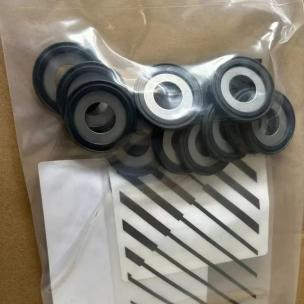
Production Requirements for Engine Valve Cover Gaskets
The valve cover gasket—also known as the rocker cover gasket—sits at one of the most critical interfaces in an internal combustion engine. It seals the gap between the valve cover and the cylinder head, preventing oil from escaping the top end of the engine while keeping dust, moisture, and debris out of the valvetrain.
넶0 2026-08-17 -
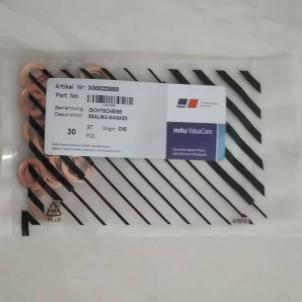
Material Requirements for Engine Sealing Rings
In the world of internal combustion engines, the sealing ring—whether it takes the form of an O-ring, a molded gasket, a shaft seal, or a custom-profile elastomeric ring—is one of the most demanding components in terms of material performance.
넶0 2026-08-17 -
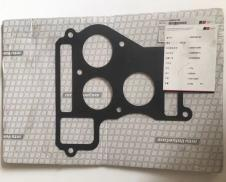
What to Consider When Buying Rubber Seals for an Engine Steel Cover
If you have ever had to replace the rubber seal on an engine steel cover—whether it is a valve cover, timing cover, or inspection plate—you already know that this is not a component to cut corners on. A poorly chosen seal can lead to oil leaks, engine bay contamination, overheating issues, and in worst-case scenarios, catastrophic engine damage.
넶0 2026-08-17 -
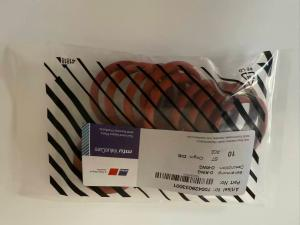
An In-Depth Look at Engine Compartment Cover Rubber Seals
When you pop the hood of your vehicle, the last thing on your mind is probably the thin strip of rubber running along the edge of the engine cover. Yet this unassuming component plays a far more critical role than most car owners realize. Known in the automotive industry as the engine compartment cover rubber seal—or sometimes the hood seal, bonnet seal, or engine bay weatherstrip—this piece of engineered elastomer is a quiet guardian of your engine's health and your vehicle's performance.
넶0 2026-08-17